(What I did)07
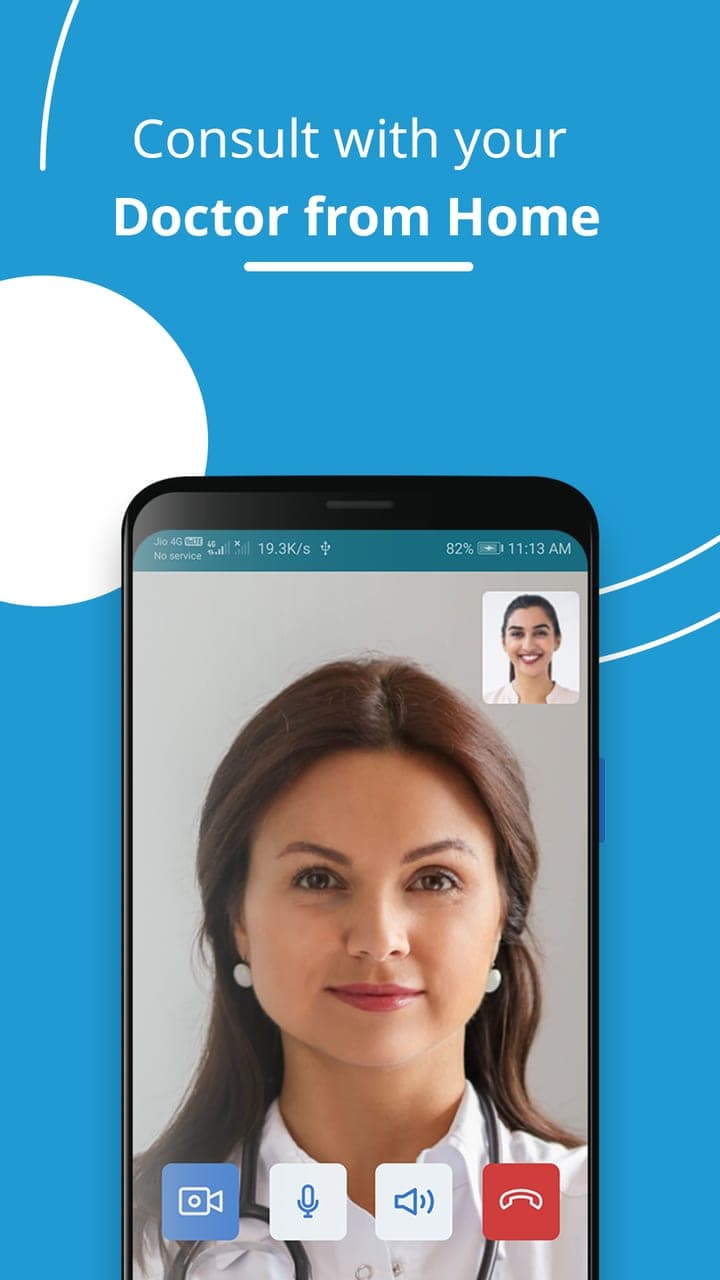
- Integrated Bluetooth body composition devices using their native Android and iOS SDKs.
- Built custom Capacitor plugins to bridge those native SDKs into the Ionic app.
- Implemented BLE device discovery, connection management and measurement workflows.
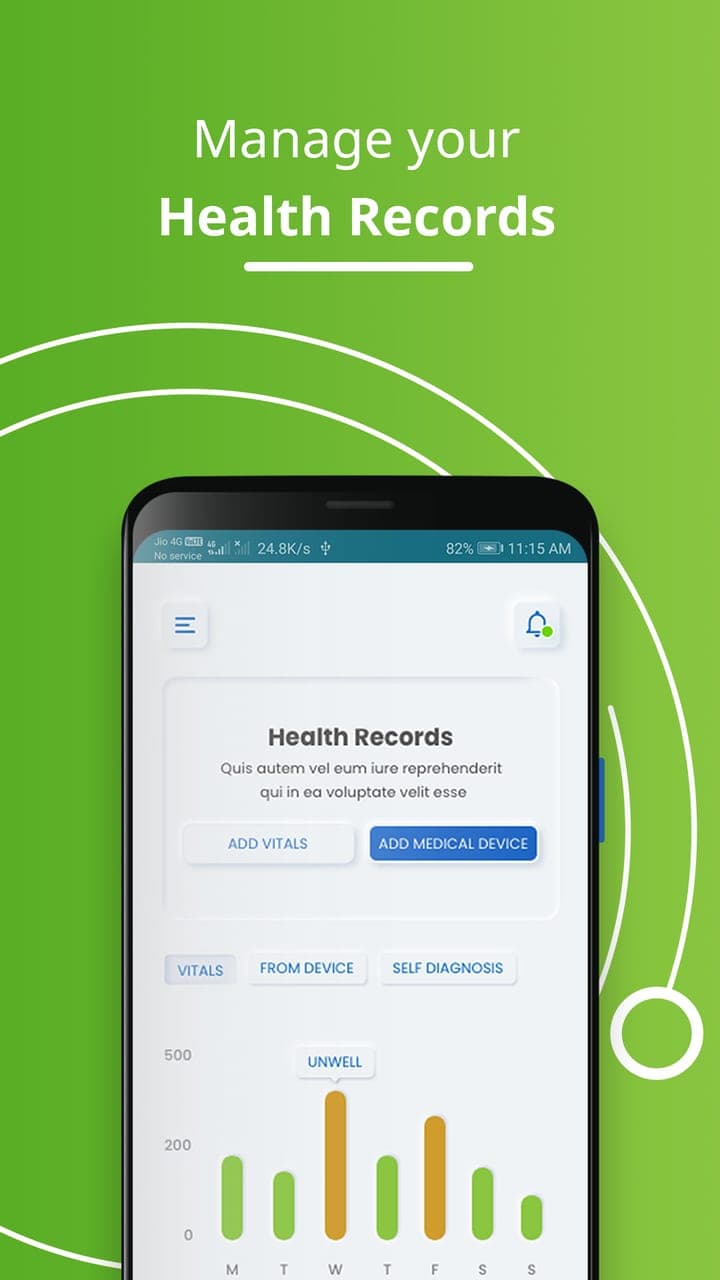
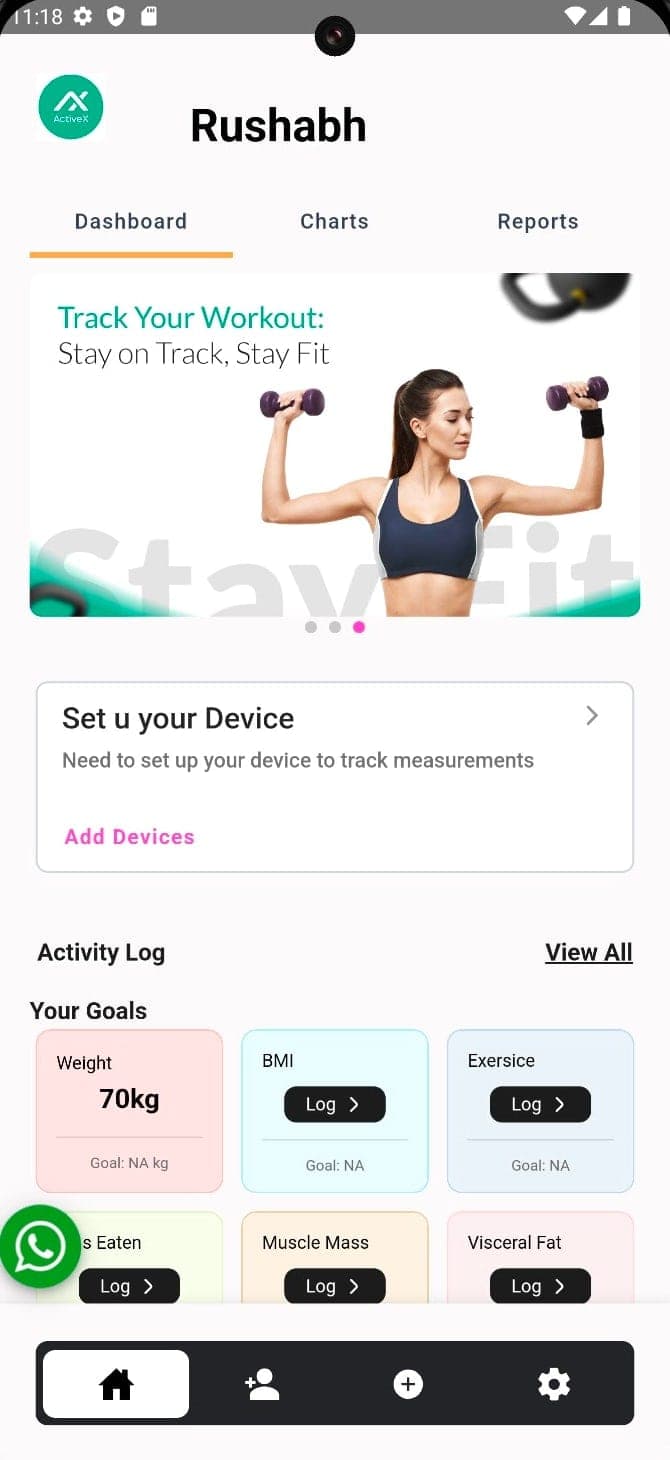
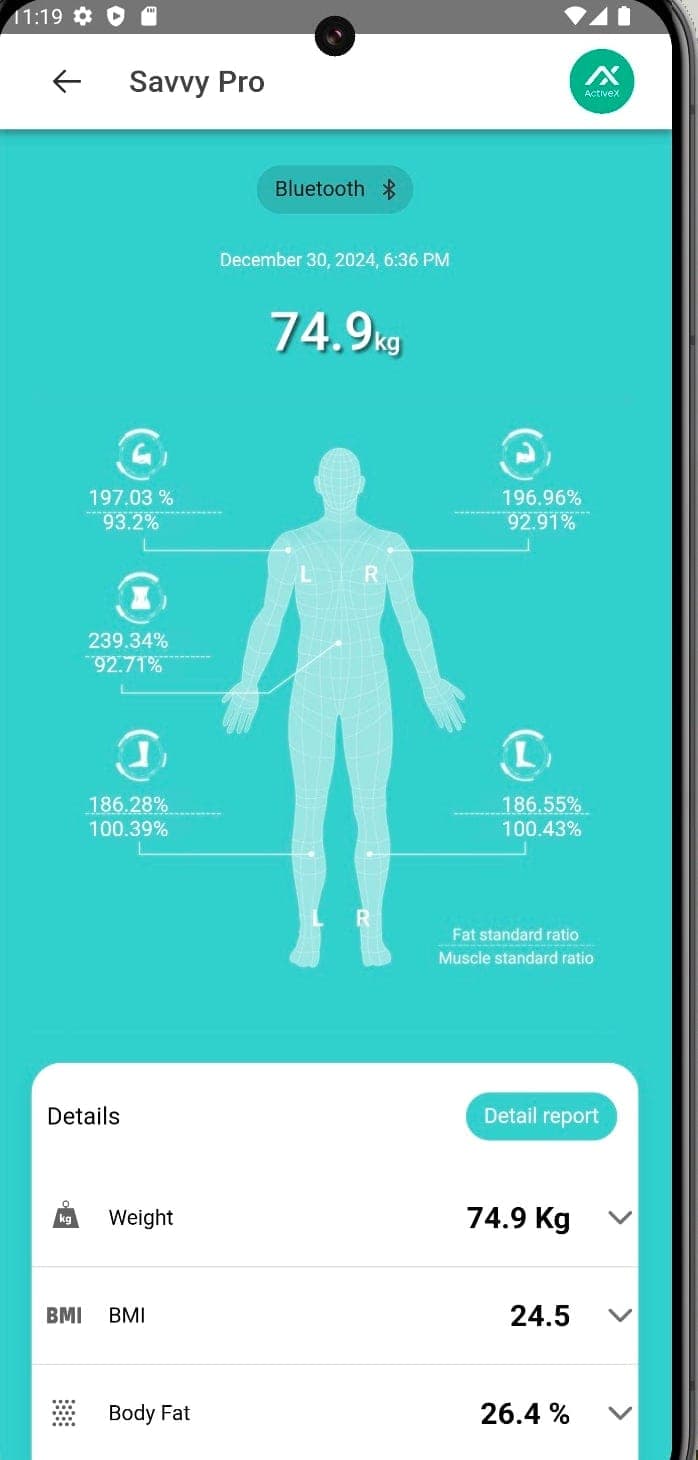
- Processed health metrics: body fat %, muscle mass, BMI, BMR, visceral fat and body water.
- Built detailed body composition reports with PDF export.
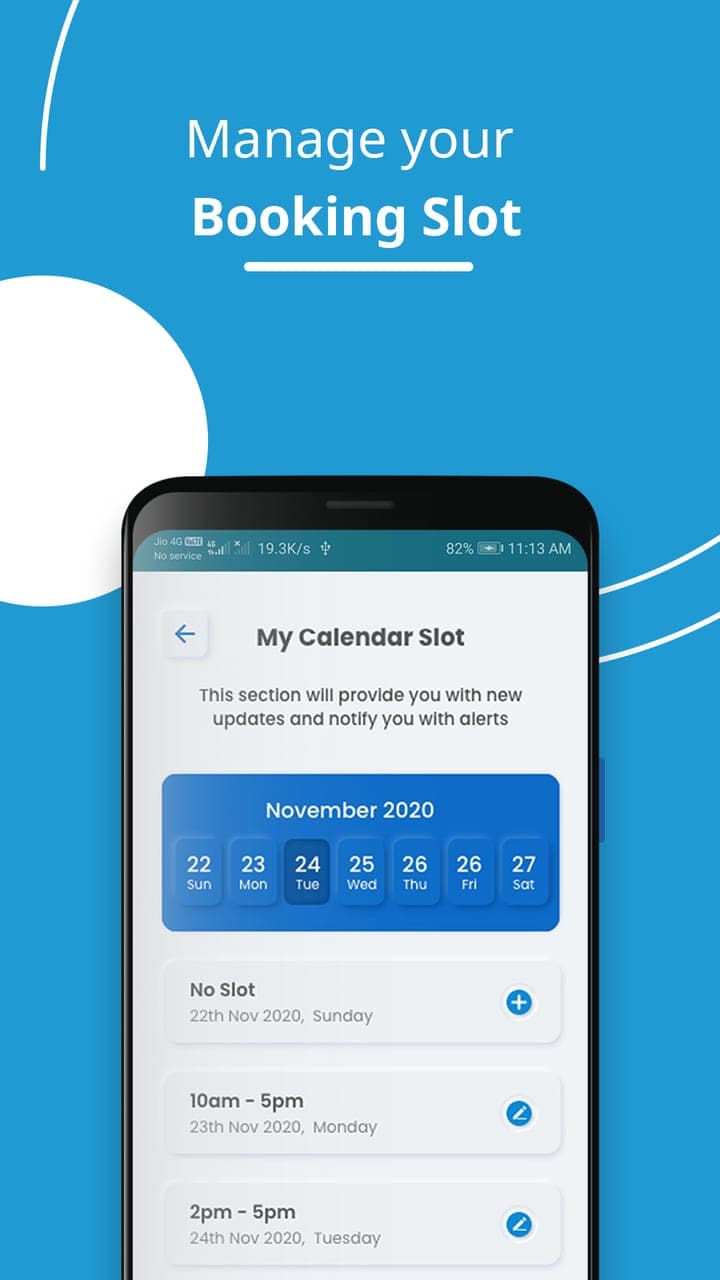
- Implemented device management and clinic-specific workflows.
- Improved Android compatibility, including support for 16 KB memory page sizes.
(Workflow)BLE measurement workflow
- 01Smart deviceBody composition over BLE
- 02Native SDKsKotlin / Java · Swift
- 03Capacitor pluginsCustom native bridge
- 04Ionic + AngularDiscovery, connection, measuring
- 05Health reportMetrics & PDF export
(Challenges & solutions)04
One app, two native SDKs
- Challenge
- The devices are driven through native Android and iOS SDKs, while the app itself is built with Ionic and Angular.
- Solution
- Custom Capacitor plugins written in Kotlin, Java and Swift wrap each SDK and expose a single TypeScript interface to the app.
Bluetooth, start to finish
- Challenge
- A reading depends on finding the right device, holding the connection, and seeing the measurement through.
- Solution
- BLE discovery, connection management and a guided measurement workflow, alongside device management for each setup.
Readings people can act on
- Challenge
- Raw measurements mean little to users or healthcare professionals on their own.
- Solution
- Metrics are processed into detailed body composition reports, with PDF export and clinic-specific workflows.
Keeping pace with Android
- Challenge
- Newer Android devices use 16 KB memory pages, which native code has to support.
- Solution
- Compatibility work across the Android build, including 16 KB page-size support.